
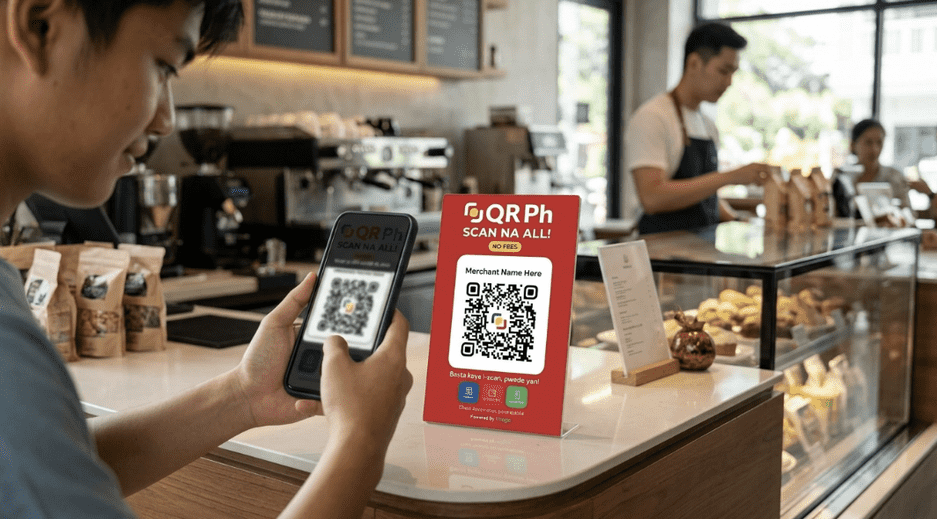
From paying for groceries in Cebu City to buying street food, settling restaurant bills, and riding local transport, digital payments are gradually changing how Cebuanos handle everyday transactions. What was once a convenient alternative to cash is becoming an increasingly practical option for consumers and businesses across the province.
The shift is visible in Cebu’s public markets, commercial establishments, and local transport sector. On August 15, 2024, Cebu City launched the Paleng-QR Ph Plus programme at its public market to encourage cashless payments among market vendors and transport operators. The initiative reflects a broader effort to bring digital financial services closer to everyday consumers and small businesses.
Nationally, digital payments accounted for 64.7% of retail transactions in the Philippines in 2025, according to industry reports. While this figure reflects the country as a whole rather than Cebu specifically, it highlights the growing importance of cashless transactions in the local retail landscape.
For Cebuano retailers, this shift means more than placing a QR code beside the cash register. Digital payments are becoming part of how businesses serve customers, manage sales, and remain competitive.
The Numbers Behind the Cashless Shift
The Philippines has traditionally relied on cash for everyday purchases, but consumer habits are changing. Digital payments accounted for just 10% of retail transactions in 2018, rising to 30.3% in 2021, 57.4% in 2024, and 64.7% in 2025.
The wider availability of mobile wallets, online banking, and QR payments has made cashless transactions more accessible. Visa’s Consumer Payment Attitudes Study also reported a decline in cash usage, from 96% in 2022 to 87% in 2023, with 43% of consumers saying they carried less cash.
In Cebu, these changes matter to a diverse business community, from shopping centres and restaurants in Metro Cebu to independent retailers, market vendors, and small enterprises serving local neighbourhoods.
Consumers increasingly expect flexible payment options, whether they are shopping at a mall, ordering food online, or purchasing fresh produce at a public market. For businesses, keeping up with these expectations can help create a smoother customer experience.
QR Ph Brings Cashless Payments to Cebu’s Markets and Transport
One initiative helping expand digital payments in Cebu is Paleng-QR Ph Plus, a programme developed by the Bangko Sentral ng Pilipinas (BSP) and the Department of the Interior and Local Government (DILG).
The programme encourages public market vendors, community shopkeepers, and local transport operators to accept digital payments through QR Ph, the Philippines’ national QR code standard. Its interoperable system allows customers to pay participating merchants using supported bank and e-wallet applications without requiring both parties to use the same payment platform.
Cebu City officially launched the initiative in August 2024, encouraging cashless transactions in public markets and local transportation. Other local government units in Cebu have also pursued the programme. Danao City, for instance, launched Paleng-QR Ph Plus in September 2025, extending QR-based payments to its public market and transport sector.
These developments show how cashless payments are reaching beyond shopping malls and large commercial establishments. They are becoming relevant to smaller businesses and everyday transactions, where convenience and affordability matter.
For a market vendor, accepting digital payments can offer another way to collect payments from customers who do not carry enough cash. For consumers, it provides an alternative to counting bills and coins. When the systems work reliably, even a routine purchase can become a simpler transaction.
Why Cebuano Retailers Should Embrace Digital Payments
For businesses across Cebu, accepting digital payments can improve daily operations while giving customers more flexibility.
Faster checkout. QR payments can reduce the need to count bills and provide change, helping transactions move more smoothly during busy periods. Actual processing times still depend on connectivity and payment platform performance.
Better recordkeeping. Electronic transaction histories make it easier for business owners to review sales, reconcile payments, and maintain financial records. These records can also support more informed business decisions.
More payment options. Digital wallets and participating bank applications give customers alternatives to cash. For retailers serving younger consumers, working professionals, and digitally active travellers, these options can improve convenience.
Improved cash management. Receiving digital payments can reduce the amount of physical cash businesses need to handle, count, store, and deposit. This may also reduce certain cash-handling risks.
Useful sales insights. When combined with appropriate accounting or point-of-sale tools, digital transaction records can help businesses identify sales patterns, monitor performance, and plan inventory.
For Cebu’s small and medium-sized enterprises, these advantages can support more organised operations without necessarily requiring expensive payment terminals. QR-based solutions may offer a practical starting point, although merchants should compare transaction fees and service requirements before choosing a provider.
The Challenges of Going Cashless
Despite its benefits, digital payment adoption is not equally accessible to every Cebuano consumer or business owner.
Some people may lack bank accounts, compatible smartphones, reliable internet access, or the confidence to use financial applications. Cash also remains important in communities where digital infrastructure is limited or where customers and vendors are more comfortable with traditional transactions.
Connectivity is another concern. Weak mobile signals, power interruptions, and payment platform outages can delay transactions, particularly in busy commercial areas. Businesses should establish backup procedures and continue accepting cash when necessary.
Transaction fees also deserve attention, especially for small businesses working with narrow profit margins. Depending on the provider and payment method, charges may apply to certain transactions, transfers, or withdrawals. Retailers should understand these costs before adopting a digital payment solution.
Security is equally important. Customers and merchants must remain alert to fraudulent payment screenshots, phishing attempts, suspicious links, and unauthorised transactions. Verifying payments through the official application or merchant account, rather than relying solely on a screenshot, can help reduce the risk of fraud.
For Cebu’s cashless transition to succeed, digital payment systems must be affordable, reliable, secure, and accessible. Businesses also need clear procedures for handling failed transactions and resolving payment disputes.
The Future of Retail in Cebu
As digital payment platforms such as GCash and Maya continue to expand, cashless transactions are becoming an important consideration for Cebu’s retail and service industries.
Businesses can begin with QR Ph payments before exploring more integrated systems for accounting, inventory management, and customer loyalty programmes. Local government initiatives such as Paleng-QR Ph Plus can also help introduce digital payment options to vendors and transport operators who might otherwise find the transition difficult.
For Cebu, the opportunity lies in making digital payments useful not only for large retailers and established businesses but also for market vendors, neighbourhood shops, and smaller enterprises throughout the province.
Ultimately, the future of retail is likely to be digital-first rather than entirely cash-free. Digital payments can offer greater convenience, more organised records, and additional ways to serve customers, but cash remains an essential option for many Filipinos.
Businesses that adapt successfully will be those that embrace new payment technologies while keeping transactions secure, affordable, and accessible to every customer.