
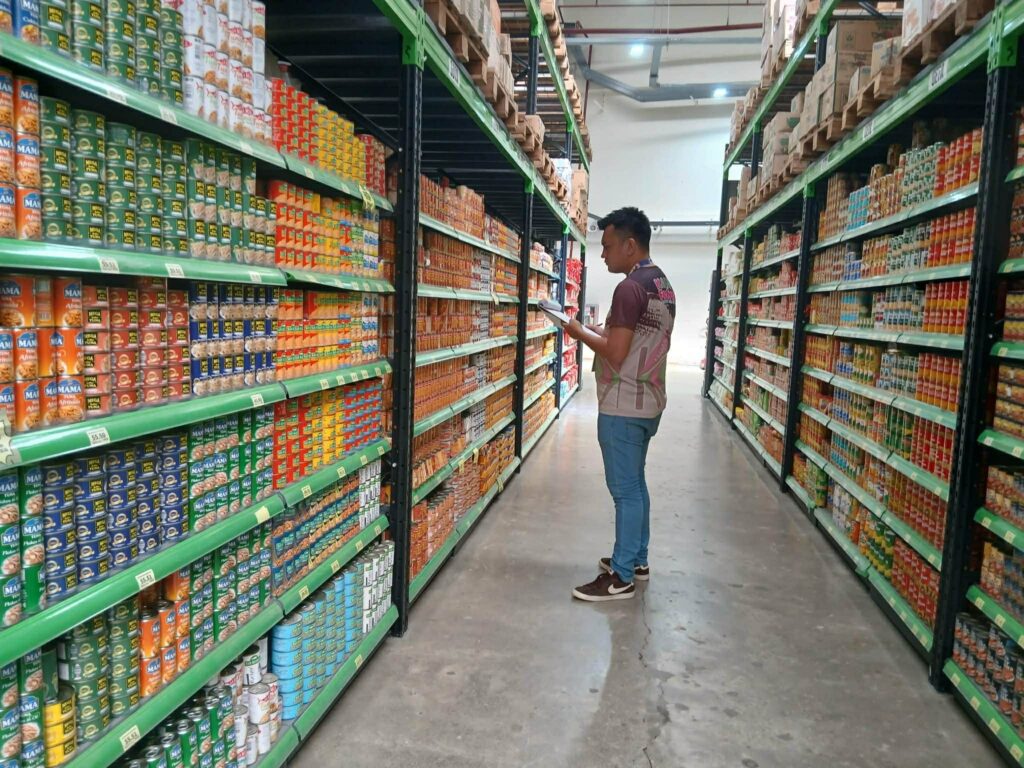
The DTI is stepping up price monitoring nationwide as fuel costs put pressure on transportation, logistics, and the prices of everyday goods. Here’s what Cebu residents should know.
Fuel prices do not stop mattering once you leave the gas station.
For people living in Cebu, changes in fuel costs can eventually affect how much it costs to commute, have goods delivered, eat out, and buy everyday necessities.
The Department of Trade and Industry (DTI) recently ordered its offices nationwide to intensify monitoring of prices of basic commodities in groceries, supermarkets, and other markets following successive increases in petroleum prices.
The agency said it is watching for businesses that may use higher fuel costs as a reason to impose unjustified increases on essential goods. For now, the government has not found it necessary to impose price caps on basic commodities.
For Cebu residents, the development comes at a time when transportation and household expenses already make up a significant part of many monthly budgets.
Why Fuel Prices Matter in Cebu
Cebu is a major business, tourism, and transportation hub in the Visayas. Goods move through the province every day, traveling between ports, warehouses, businesses, markets, restaurants, and homes.
That means fuel is an important part of the local supply chain.
When diesel and gasoline prices rise, transportation companies, delivery services, suppliers, and businesses that operate vehicles can face higher operating costs.
Those expenses can eventually affect the prices consumers pay.
But a fuel price increase does not automatically mean every product in Cebu should become more expensive.
The final price of a product also depends on factors such as raw materials, labor, electricity, rent, packaging, storage, taxes, and supply.
This is why the DTI is monitoring prices rather than treating every increase as automatically justified.
The DTI Is Watching Basic Goods
The DTI has instructed its offices across the country to strengthen price monitoring in groceries, supermarkets, and other markets.
The agency said it wants to make sure businesses do not take advantage of the fuel situation to artificially increase the prices of essential goods.
Businesses, manufacturers, and retailers that engage in price manipulation may face penalties under existing consumer protection laws.
For Cebu shoppers, this means a sudden price increase should not simply be assumed to be the result of higher fuel costs.
It is reasonable to compare prices between stores and keep track of how much regularly purchased items cost over time.
What About Transportation Costs?
Transportation is one of the areas where changes in fuel prices can be felt more directly.
Drivers and operators face fuel expenses every day, while businesses that rely on trucks, vans, motorcycles, and other vehicles also have to account for fuel when moving products around Cebu.
Higher operating costs can put pressure on transportation and delivery prices.
However, fuel is only one component of the overall cost of operating a transportation service. Any changes in fares or delivery fees depend on the applicable rules, operating expenses, and decisions by individual providers.
For residents who commute regularly, even small changes in transportation costs can add up over the course of a month.
Food Prices Could Also Feel the Impact
Fuel can also affect food prices because agricultural products and other ingredients need to be transported before they reach markets, restaurants, and consumers.
A restaurant, for example, may receive ingredients from suppliers who have their own transportation costs. Grocery stores also need to move products between distribution centers and individual branches.
But that does not mean a change in fuel prices will immediately appear on a restaurant menu or grocery shelf.
Businesses may absorb some additional costs, adjust other expenses, or wait to see whether fuel prices remain elevated before changing their prices.
There Is Some Relief at the Pump
The latest developments have not been entirely negative for motorists.
On September 29, the Department of Energy implemented a fuel price rollback of ₱7.57 per liter for diesel, ₱5.85 for kerosene, and ₱0.24 for gasoline. The rollback followed three consecutive weeks of fuel price increases.
The reductions provide some relief for motorists and businesses that depend heavily on fuel.
However, the latest cuts came after substantial increases earlier in September, meaning the overall effect on transportation and operating costs will depend on how fuel prices move in the coming weeks.
What Cebu Residents Can Do
For households trying to manage their monthly budgets, there are a few simple ways to stay ahead of possible price changes.
Compare prices. Check different supermarkets, public markets, and stores before making larger purchases.
Track regular expenses. Keeping a simple record of grocery, transportation, and delivery costs can help you spot meaningful changes.
Check official advisories. Government agencies such as the DTI and Department of Energy regularly release information about prices and consumer-related measures.
Do not assume every increase is caused by fuel. Businesses have multiple operating costs, so a higher price does not automatically mean that fuel is the reason.
Report suspected unfair practices. Consumers who encounter potentially unreasonable or misleading pricing can raise concerns through the appropriate government channels.
What This Means for the Cost of Living in Cebu
Cebu residents may not see the effects of fuel prices in one obvious place.
Instead, the impact can appear gradually across different parts of daily life — from transportation and deliveries to groceries, dining, and other household expenses.
The DTI’s latest monitoring efforts are meant to make sure businesses do not use fuel price movements as an excuse for unjustified increases.
For now, the most useful approach for Cebu households is to stay informed, compare prices, and keep an eye on transportation and grocery expenses.
Fuel prices can influence the cost of living, but they are only one piece of the puzzle. For Cebu residents, the bigger question is whether changes in fuel costs are actually being reflected fairly throughout the local supply chain.