
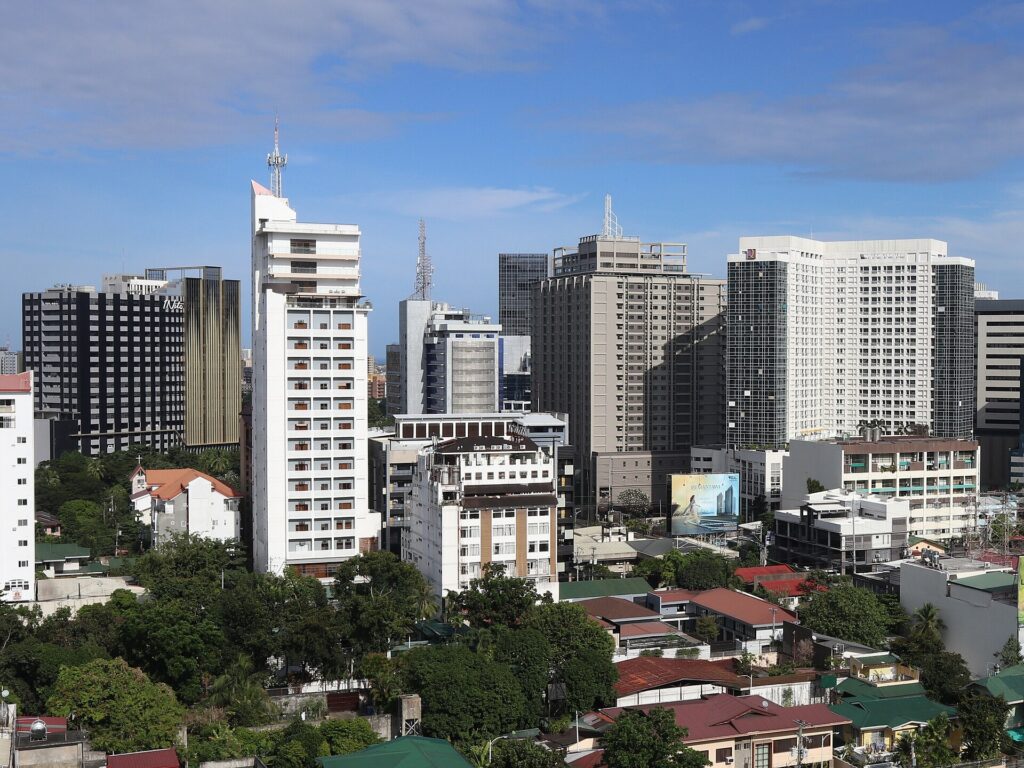
Cebu City is one of the Philippines’ busiest urban centers, attracting students, employees, entrepreneurs, tourists, and families looking for better opportunities. With its growing business districts, universities, shopping centers, restaurants, and entertainment options, Cebu offers many of the conveniences of a major city.
But before moving to Cebu, one important question usually comes up: How much does it cost to live in Cebu City?
The answer depends heavily on your lifestyle, where you choose to live, how often you eat out, and how you travel around the city. Current cost-of-living estimates show that housing, food, and transportation can make up a significant portion of a monthly budget.
Housing and Rent in Cebu City
For many people, rent is the biggest monthly expense in Cebu City.
As of July 2026, one cost-of-living database lists a furnished 45-square-meter studio at around ₱18,033 per month in a normal area, while a similar unit in a more expensive area can reach around ₱32,493. Larger furnished apartments can cost considerably more.
Of course, cheaper options are available, particularly for people willing to consider boarding houses, shared accommodations, or locations farther from major business districts.
If you’re planning to rent, don’t forget to budget for utilities, deposits, association fees, and internet, not just the monthly rent.
Food and Grocery Expenses
Food costs in Cebu can vary greatly depending on whether you mostly cook at home or frequently eat at restaurants.
Recent Cebu estimates put a fast-food combo meal at around ₱198, while a basic lunch with a drink in a business district can cost around ₱389. Grocery prices also vary depending on the brand and where you shop.
For someone trying to save money, cooking meals at home and buying from local markets can make a noticeable difference.
A simple approach is to divide your food budget into three categories:
- Groceries and ingredients
- Meals bought outside
- Coffee, snacks, and occasional treats
This makes it easier to see where your money is actually going.
Transportation Costs
Getting around Cebu is another expense worth considering, especially if your workplace or school is far from your home.
Public transportation remains an important part of daily life, while taxis and ride-hailing services offer convenience at a higher cost. A recent estimate puts a monthly public transportation pass at about ₱1,563, while an 8-kilometer taxi trip is estimated at around ₱269.
Your actual transportation budget will depend on your daily routine. Someone working from home may spend very little, while someone commuting across the city every day could spend considerably more.
Utilities and Internet
Electricity, water, mobile data, and internet should also be included when creating a Cebu City monthly budget.
For example, recent estimates place utilities for a one-person 45-square-meter studio at around ₱3,658 per month, while internet costs can be around ₱1,969, depending on the plan and provider.
Air-conditioning can also significantly affect your electricity bill, particularly during Cebu’s warmer months.
How Much Money Do You Need?
There is no single salary or budget that works for everyone in Cebu City.
A single person who lives simply, cooks regularly, uses public transportation, and chooses affordable housing can keep expenses relatively low. On the other hand, someone living in a condominium, eating out frequently, using ride-hailing services, and enjoying Cebu’s nightlife and entertainment will need a much larger budget.
One current estimate places monthly expenses for a single person in Cebu City at around ₱68,394, but the source itself warns that the figure is based on limited data and should be treated as a rough estimate rather than a fixed amount.
That is why personal budgeting is more useful than simply relying on one citywide average.
Final Thoughts
Living in Cebu City can be affordable, but your lifestyle determines how much you’ll actually spend. A person who chooses modest housing and carefully manages daily expenses can live very differently from someone who prefers a condominium, frequent dining out, and a more active social life.
Before moving to Cebu, calculate your expected rent, food, transportation, utilities, and personal expenses—and always keep an emergency fund.
Cebu can offer a good quality of life, but the smartest way to enjoy it is to make sure your lifestyle fits your budget.